Innovative Aerospace Concepts for Future Space Habitation

As humanity stands on the brink of a new era in space exploration, the need for innovative aerospace concepts for future space habitation has never been more pressing. With missions to Mars and beyond on the horizon, scientists and engineers are exploring various designs and technologies that could support human life in the harsh environments of outer space. This blog post delves into some of the most exciting concepts currently being developed, highlighting their potential to transform how we live and work in space.
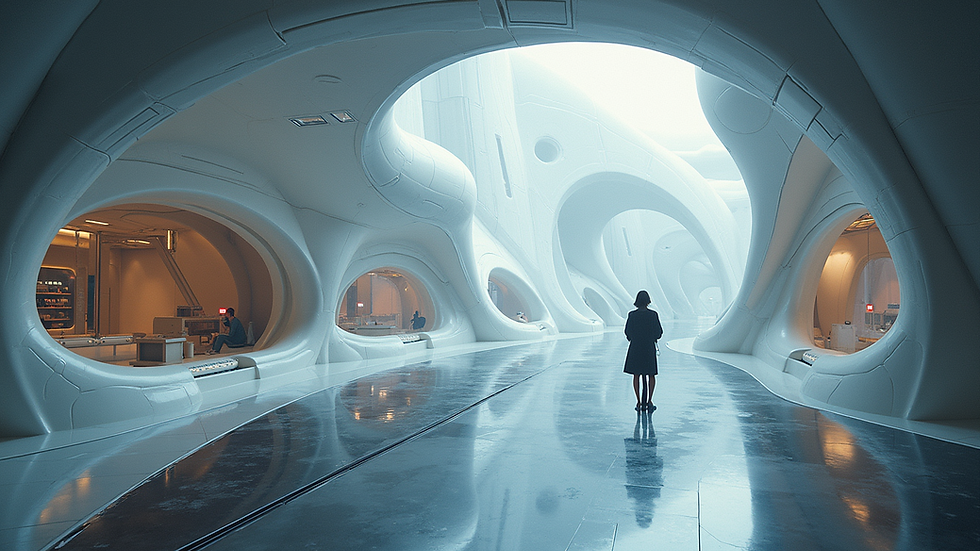
The Importance of Space Habitation
Space habitation is not just about building structures; it’s about creating sustainable environments where humans can thrive. As we look to establish a permanent presence on other planets, several factors must be considered:
Life Support Systems: These systems must provide air, water, and food while recycling waste efficiently.
Radiation Protection: Space habitats need to shield inhabitants from harmful cosmic radiation.
Psychological Well-being: Long-duration missions can lead to isolation and stress, making it essential to design habitats that promote mental health.
Modular Habitat Designs
One of the most promising concepts for future space habitation is the modular habitat design. This approach allows for flexible, scalable living spaces that can be adapted to different environments and missions.
Advantages of Modular Designs
Scalability: Modules can be added or removed based on mission requirements.
Ease of Transport: Smaller modules are easier to launch and assemble in space.
Customizability: Each module can be tailored to specific needs, such as laboratories, living quarters, or recreational areas.
Examples of Modular Habitat Concepts
NASA’s CHAPEA: This project aims to simulate long-duration missions on Mars using modular habitats that can support small crews for extended periods.
The Mars Society’s Mars Base Project: This initiative envisions a series of interconnected modules that can be expanded as more resources become available.
3D Printing in Space
3D printing technology is revolutionizing the way we think about construction in space. By using materials found on other planets, we can reduce the need to transport building materials from Earth.
Benefits of 3D Printing
Resource Efficiency: Utilizing local materials can significantly lower mission costs.
Rapid Prototyping: Designs can be quickly modified and produced, allowing for iterative improvements.
Customization: Unique structures can be created to meet specific environmental challenges.
Notable Projects
ICON’s Habitat: This company is developing a 3D-printed habitat designed for lunar missions, showcasing how local materials can be used to create livable spaces.
NASA’s 3D-Printed Habitat Challenge: This competition encourages innovative designs for habitats that can be built on Mars using in-situ resources.
Sustainable Life Support Systems
Creating a sustainable life support system is crucial for long-term space habitation. These systems must efficiently recycle air, water, and waste while providing food for inhabitants.
Key Components of Life Support Systems
Water Recovery: Advanced filtration and recycling systems can reclaim water from various sources, including urine and humidity.
Air Filtration: Technologies that remove carbon dioxide and replenish oxygen are essential for maintaining breathable air.
Food Production: Hydroponics and aeroponics are promising methods for growing food in space, reducing reliance on resupply missions.
Innovative Examples
Veggie: NASA’s plant growth experiment aboard the International Space Station (ISS) demonstrates the feasibility of growing food in microgravity.
BioNutrients: Research into using microorganisms to convert waste into nutrients for plant growth is paving the way for more sustainable food production in space.
Advanced Radiation Shielding
Radiation poses one of the most significant threats to human health in space. Developing effective shielding technologies is essential for protecting astronauts during long missions.
Current Approaches to Radiation Protection
Material Innovations: Research is ongoing into materials that can absorb or deflect radiation, such as polyethylene and hydrogen-rich compounds.
Magnetic Shielding: Some concepts propose using magnetic fields to create a protective barrier against cosmic radiation.
Future Concepts
Regolith-Based Shielding: Utilizing Martian soil to create protective barriers around habitats could provide a practical solution for radiation protection.
Active Shielding Systems: These systems would generate magnetic fields to deflect harmful particles, offering a dynamic approach to radiation protection.
Psychological Considerations in Space Habitation
Living in space for extended periods can take a toll on mental health. Designing habitats that promote psychological well-being is crucial for the success of long-duration missions.
Key Design Features
Natural Light: Incorporating windows and light sources that mimic natural sunlight can help regulate circadian rhythms.
Recreational Spaces: Areas for exercise, relaxation, and social interaction can mitigate feelings of isolation.
Personalization: Allowing astronauts to personalize their living spaces can enhance their sense of ownership and comfort.
Research Initiatives
NASA’s Behavioral Health and Performance Program: This program studies the psychological effects of long-duration space missions and develops strategies to support mental health.
The HI-SEAS Project: This series of analog missions simulates life on Mars, providing valuable insights into the psychological challenges of space habitation.
Conclusion
As we venture into the cosmos, innovative aerospace concepts for future space habitation will play a pivotal role in ensuring the success of human life beyond Earth. From modular habitats and 3D printing to sustainable life support systems and advanced radiation shielding, the future of space habitation is filled with exciting possibilities. By addressing the challenges of living in space, we can pave the way for a new chapter in human exploration.
The journey to establish a permanent presence in space is not just about technology; it’s about creating environments where humans can thrive. As we continue to innovate and explore, the dream of living on other planets becomes increasingly attainable. The next steps involve collaboration, research, and a commitment to pushing the boundaries of what is possible in aerospace engineering.


Comments